If shaving leaves you with smooth skin for one day and painful bumps a few days later, unwanted hair may not be your only concern. Recurring ingrown hairs, razor bumps, redness, and dark marks can turn routine grooming into an ongoing skin problem. Laser hair removal may help because it reduces future hair growth from treated follicles. With fewer coarse hairs returning, fewer hairs can curl back into the skin. It does not instantly remove every existing ingrown hair, but it can address one reason the problem keeps returning.
Does Laser Hair Removal Really Help Ingrown Hairs?
Yes, laser hair removal can help reduce recurring ingrown hairs and razor bumps for suitable candidates. The American Academy of Dermatology specifically notes that laser hair removal may help people who develop razor bumps or ingrown hairs after removing unwanted hair.
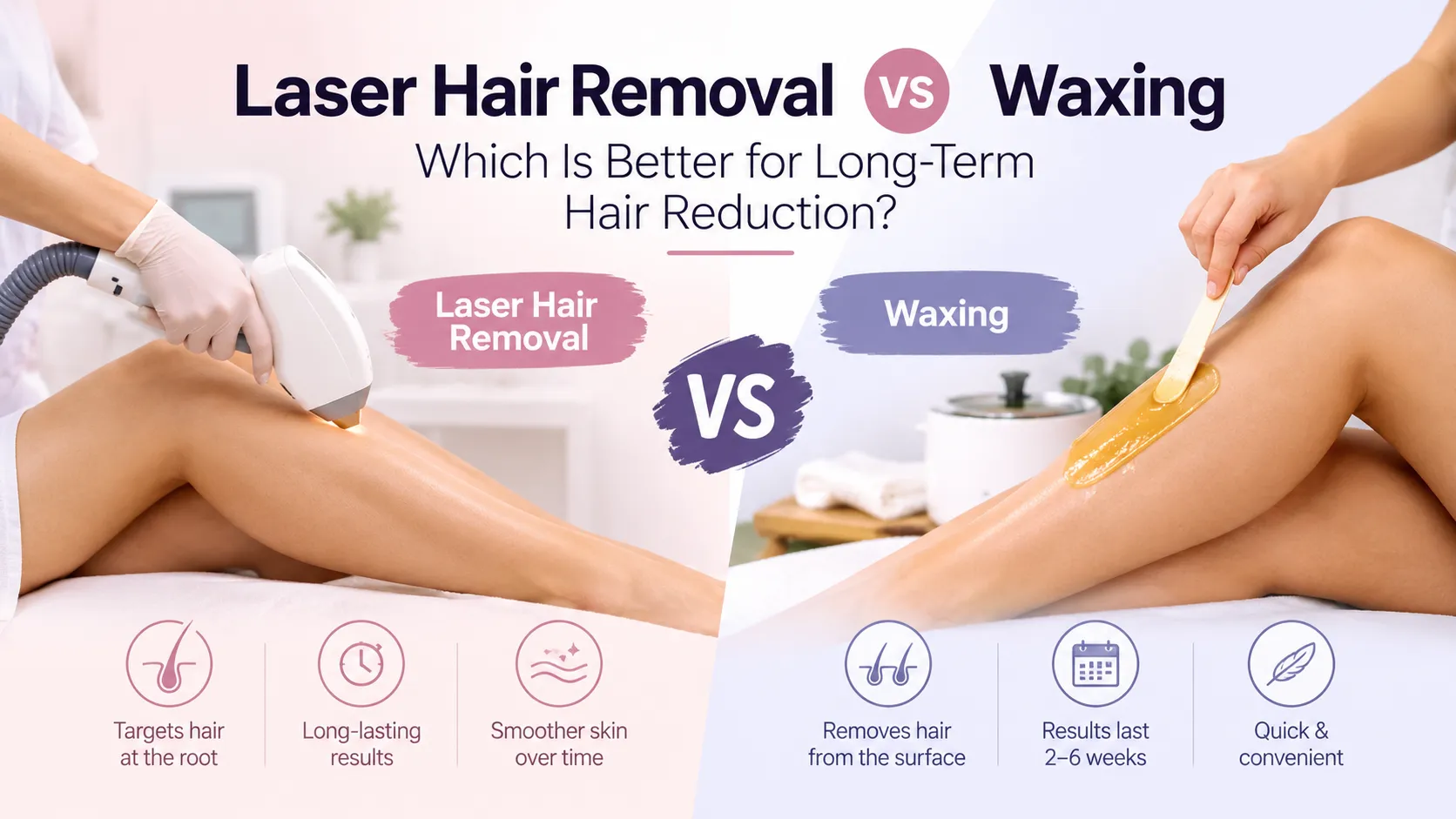
The treatment works differently from shaving or waxing because it targets hair production below the skin. Over multiple sessions, treated hairs may stop returning or grow back finer, which can reduce the number of hairs capable of becoming trapped.
Why Do Ingrown Hairs Keep Coming Back?
An ingrown hair develops when a growing hair bends back toward the skin or becomes trapped beneath the surface. This often happens after shaving, waxing, or tweezing because the hair must grow through the skin again.
Curly or coarse hairs may be more likely to turn toward the skin as they grow. Frequent shaving can also create ongoing irritation, especially when someone shaves very closely or repeatedly passes a razor over the same area.
What Are Razor Bumps?
Razor bumps are inflamed bumps that often develop after shaving. A medical term commonly associated with recurring shaving bumps is pseudofolliculitis barbae.
These bumps often appear around the beard, neck, bikini line, and other areas with coarse hair. They may look like acne, but trapped or curved hairs often sit at the center of the problem.
Why Does Shaving Make Razor Bumps Worse for Some People?
Shaving removes hair at or near the skin surface, but the follicle continues producing new hair. A newly cut hair may have a sharp edge that can enter nearby skin as it grows.
The American Academy of Dermatology advises people with recurring razor bumps to pay attention to shaving direction and technique. Shaving against the direction of hair growth can increase irritation for some people.
Several everyday factors can make recurring bumps harder to control:
- Shaving very closely or repeatedly over the same area
- Removing coarse or tightly curled hair frequently
- Picking, squeezing, or digging into existing ingrown hairs
- Using hair removal methods while the skin is already irritated
- Wearing tight clothing over recently shaved areas
Changing these habits may reduce irritation, but it does not change how the hair naturally grows. That is one reason people with persistent ingrowns sometimes consider laser treatment.
How Does Laser Hair Removal Help Prevent Future Ingrown Hairs?
Laser hair removal sends light energy toward pigment in the hair. The energy reaches the follicle and can reduce its ability to produce new hair.
Hair does not all grow at the same time. Some hairs are actively growing while others are resting, which is why a single laser session cannot treat every follicle effectively.
As treatment progresses, the amount of visible regrowth can decrease. Some remaining hairs may also become thinner and less noticeable.
Fewer thick hairs growing through the skin means fewer opportunities for a hair to bend, become trapped, and create another inflamed bump.
Does Laser Treat an Existing Ingrown Hair?
Laser hair removal should not be viewed as an instant treatment for every existing bump. Its main value is reducing future hair growth and the repeated cycle that contributes to new ingrowns.
Mayo Clinic notes that a healthcare provider may recommend laser-assisted hair removal when recurring ingrown hairs do not improve enough with other measures. It also advises stopping shaving, waxing, or tweezing while active ingrown hair irritation settles when appropriate.
If an area is very painful, swollen, draining, or increasingly red, a medical evaluation may be appropriate before cosmetic treatment. Picking at the skin can worsen inflammation and increase the risk of discoloration.
Which Areas Can Benefit From Laser Hair Removal for Razor Bumps?
Ingrown hairs can occur wherever people regularly remove hair. Certain areas experience the problem more often because the hair is coarse or the skin faces frequent friction.
Common treatment areas include:
- Bikini and Brazilian areas where shaving and waxing can trigger bumps
- Chin, jaw, beard, and neck areas with frequent facial shaving
- Underarms where coarse hair grows in a small area
- Legs and thighs that may be shaved several times each week
- Chest and back areas where thick body hair can create irritation
The AAD lists the bikini area, face, neck, chest, back, underarms, and legs among areas that can be treated with laser hair removal.
Mission Wellness & Aesthetics also offers laser hair removal in Hampstead for different facial and body areas.
Can Laser Hair Removal Help Bikini Line Ingrown Hairs?
Yes, reducing hair growth around the bikini line may help reduce the cycle that causes recurring ingrown hairs. This area often combines coarse hair with shaving, waxing, friction, and tight clothing.
Laser treatment may also reduce how often you need to remove hair manually. Less shaving or waxing can mean less repeated irritation for skin that already reacts easily.
Results still vary by person. Hair color, skin tone, hormone patterns, and treatment consistency can all affect the response.
Does Laser Help Beard and Neck Razor Bumps?
Laser hair removal can be useful for people who regularly develop shaving bumps around the beard or neck. The AAD specifically discusses laser hair removal as an option for men dealing with constant razor burn and ingrown hairs.
Not everyone wants to remove an entire beard. A consultation can help determine whether treatment should focus on the neck, beard line, or another specific area.
This can be useful for someone who wants cleaner edges without removing all facial hair.
Can Laser Hair Removal Make Ingrown Hairs Worse at First?
Temporary irritation can occur after laser hair removal, and shaving before a session may also bother sensitive skin. That does not automatically mean the treatment is creating more long-term ingrown hairs.
Some treated hairs remain visible while they work their way out of the follicle. This shedding period can sometimes look like continued growth, especially after an early session.
Do not squeeze bumps or pull at shedding hairs aggressively. Follow the aftercare instructions given by your provider.
How Many Laser Sessions Do You Need for Ingrown Hairs?
Most people need multiple sessions because laser works best on hairs in an active growth stage. The American Academy of Dermatology states that removing unwanted hair may require six or more sessions.
The exact number should not be promised before evaluating your hair and skin. Treatment area, density, hair color, skin tone, hormones, and previous hair removal habits can all affect the plan.
The goal is not to judge treatment only by whether every hair disappears after one appointment. Look for progressive changes in hair density, thickness, and how often you need to shave.
When Might You Start Seeing Fewer Razor Bumps?
Some people notice changes in shaving frequency or hair texture before they complete their treatment series. Others need more sessions before recurring bumps become noticeably less frequent.
Your skin also needs time to recover from earlier inflammation. Red or dark marks left by past ingrown hairs may remain even when new bumps happen less often.
This is why progress should be judged over several hair-growth cycles. A provider can also evaluate whether another skin concern is contributing to ongoing bumps.
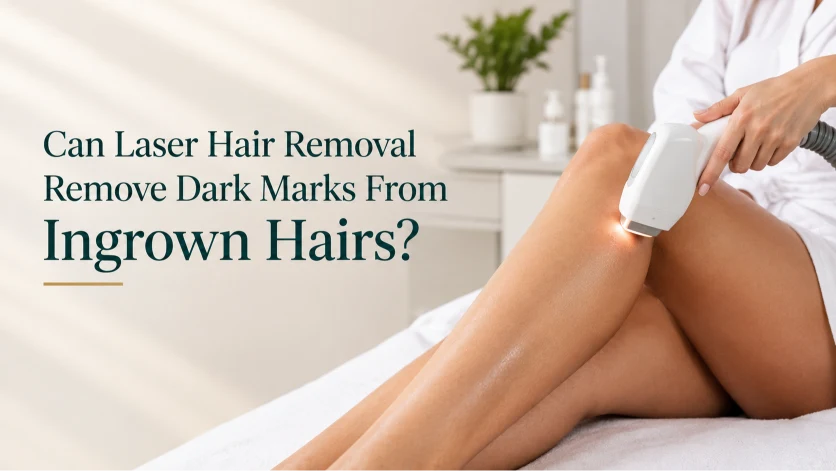
Can Laser Hair Removal Remove Dark Marks From Ingrown Hairs?
Laser hair removal mainly targets unwanted hair. It should not automatically be treated as a pigmentation treatment for every dark spot left by previous ingrown hairs.
Post-inflammatory hyperpigmentation can remain after the original bump has healed. Mayo Clinic notes that certain topical treatments may be used for discoloration related to ingrown hairs, depending on the individual case.
If dark marks are one of your main concerns, mention them during your consultation. Your provider can determine whether they need separate treatment.
Does Skin Tone Matter for Laser Hair Removal?
Yes, skin tone matters because both skin and hair contain pigment. Modern laser systems allow trained providers to select settings and wavelengths based on the person’s skin and hair characteristics.
The AAD notes that people of all skin tones can undergo laser hair removal, but provider experience with the patient’s skin tone is important. Improper treatment can increase the risk of burns, blisters, or pigment changes.
Mission Wellness & Aesthetics uses the Candela GentleMax Pro for laser hair removal. Its service information states that settings are selected according to skin and hair type.
What Is the Candela GentleMax Pro?
The GentleMax Pro is a professional laser platform used for hair reduction and other laser applications. Mission Wellness & Aesthetics uses this system for its laser hair removal service in Hampstead.
Device choice is only part of treatment quality. Provider training, treatment settings, your skin condition, and proper pre-treatment assessment also matter.
Laser Hair Removal vs Shaving for Ingrown Hairs
Shaving is fast and convenient, but it only cuts the hair near the skin surface. New growth begins soon afterward, which means someone prone to ingrowns may repeat the same problem frequently.
Laser hair removal takes longer to complete because several treatments are required. However, its purpose is to reduce how much hair returns rather than simply cutting it again.
A person who shaves every few days may therefore value laser for a different reason than someone seeking completely smooth skin. Reducing irritation can be just as important as reducing visible hair.
Laser Hair Removal vs Waxing for Ingrown Hairs
Waxing removes hair from the root, so results often last longer than shaving. However, the follicle can still produce another hair later.
That new hair still needs to emerge through the skin. If it becomes trapped, another ingrown hair can develop.
Laser treatment aims to reduce future production from treated follicles. This makes it different from repeatedly removing each new hair after it grows.
What Should You Do Before Laser Hair Removal?
Good preparation can reduce unnecessary irritation and help your provider treat the area safely. Follow the instructions given by your clinic because timing may vary by treatment plan.
Before your session, you may be asked to:
- Avoid waxing, plucking, and other methods that remove hair from the root
- Shave according to your provider’s instructions before the appointment
- Limit tanning and unnecessary sun exposure around the treatment area
- Tell your provider about medicines, skin products, and recent procedures
- Report active irritation, sores, infection, or unusual skin reactions
Do not assume more aggressive shaving gives better laser results. If shaving causes severe bumps, discuss that issue before treatment.
Your provider may recommend a preparation method that works better for your skin.
What Happens During a Laser Hair Removal Appointment?
The provider first evaluates the treatment area and confirms the plan. Protective eye equipment is normally used while the laser operates.
The device delivers controlled laser energy across the selected area. Treatment time depends on the size and location of the area.
You may feel warmth or a snapping sensation. Comfort varies, so tell your provider if something feels unusually painful.
The skin may look mildly red or feel sensitive afterward. Follow the clinic’s aftercare instructions instead of applying random products immediately.

How Should You Care for Skin After Laser Treatment?
Aftercare focuses on keeping recently treated skin calm. Your provider may give instructions based on your treatment area and skin response.
Helpful aftercare may include:
- Avoiding unnecessary heat and friction immediately after treatment
- Protecting treated skin from excessive sun exposure
- Using only products recommended for recently treated skin
- Avoiding picking at bumps or hairs that begin to shed
- Contacting the provider if you develop an unexpected or severe reaction
Do not judge results the next morning. Treated hair needs time to shed, and future sessions address other hairs as they enter suitable growth stages.
Consistency usually matters more than expecting a dramatic change from one appointment.
Who Is a Good Candidate for Laser Hair Removal for Ingrown Hairs?
Someone who repeatedly develops ingrown hairs after shaving or waxing may have a good reason to discuss laser treatment. The most important question is whether the person’s hair and skin characteristics make laser appropriate.
Hair pigment matters because laser systems target pigment inside the hair. Blonde, white, gray, and some red hairs may respond poorly to standard laser hair removal because they contain less targetable pigment.
Medical history and medications can also influence treatment. A consultation gives the provider a chance to evaluate these factors before starting.
When Should You See a Medical Provider About an Ingrown Hair?
Most mild ingrown hairs are not emergencies, but repeated or severe inflammation deserves attention. Do not assume every painful bump is simply a normal part of shaving.
Seek professional advice if you notice increasing pain, significant swelling, drainage, spreading redness, repeated cyst-like bumps, or persistent discoloration. A provider can determine whether infection, folliculitis, or another skin condition needs treatment.
Laser hair removal may become part of a longer-term strategy after the immediate skin problem is evaluated.
Laser Hair Removal for Ingrown Hairs in Hampstead, NC
Mission Wellness & Aesthetics provides laser hair removal in Hampstead using the Candela GentleMax Pro. The practice lists long-term hair reduction as a benefit and adjusts treatment according to skin and hair type.
If recurring shaving bumps are the reason you are considering laser, say that during your consultation. Your treatment goal may be reducing irritation and ingrown hairs rather than removing every hair in the area.
Does Laser Hair Removal Completely Stop Razor Bumps?
No treatment should be presented as a guarantee for every person. Laser can reduce one major trigger by reducing the amount of hair that grows in a treated area.
Other skin conditions, friction, hormones, and remaining hair may still contribute to occasional bumps. Realistic expectations are important.
The strongest result is often breaking the repeated cycle of dense regrowth, frequent shaving, and recurring irritation.
Break the Shaving and Razor Bump Cycle
If shaving keeps leading to painful ingrown hairs, changing how much hair grows may be more useful than repeatedly treating each new bump. Laser hair removal offers a longer-term approach by reducing unwanted hair at the follicle, although results and treatment needs differ between people.
Mission Wellness & Aesthetics offers laser hair removal in Hampstead, NC. Contact the practice to discuss your hair, skin, recurring razor bumps, and whether laser treatment is appropriate for your goals.