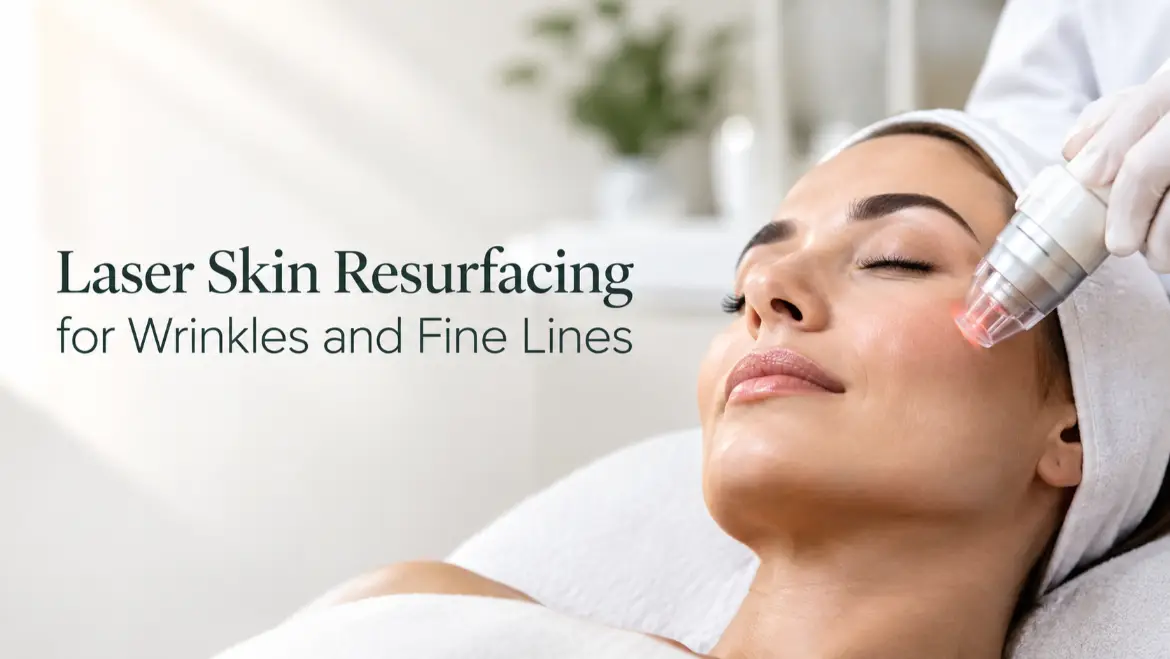
Laser Skin Resurfacing for Wrinkles and Fine Lines
You’ve probably caught yourself checking a fine line in the bathroom mirror more than once, wondering if it’s actually getting deeper or if you’re just paying closer attention now. Maybe someone mentioned laser treatment to you, and now you’re trying to figure out if that’s a real fix or another spa buzzword.
Laser skin resurfacing for wrinkles and fine lines covers more ground than most people realize. Some laser treatments strip away layers of skin and need real recovery time. Others work beneath the surface with almost no downtime. Which one you’re actually asking about changes what you should expect.
The Short Answer: Laser Treatment Can Help, With Realistic Expectations
Yes, laser treatment can improve fine lines and uneven skin. How much depends entirely on which type of laser you’re using and what your skin actually needs. A gentle, low-downtime laser won’t erase a deep wrinkle the way a more aggressive resurfacing laser might.
Some laser treatments remove skin layer by layer, forcing your body into an intense healing response. Others heat the skin from underneath without breaking the surface at all, encouraging collagen to rebuild slowly over weeks. Both fall under the umbrella of laser skin resurfacing. Neither one is automatically right for you.
What decides the right fit is your specific skin, your specific lines, and how much recovery time you’re willing to trade for how dramatic a result you want. Someone in their twenties dealing with early sun exposure needs something completely different from someone in their fifties with deeper, more established lines.
Not Every Laser Resurfacing Treatment Works the Same Way
Laser resurfacing splits into two different approaches. One removes skin. The other doesn’t. Downtime, cost, and how dramatic your results look all trace back to this one difference.
Ablative Lasers Remove the Outer Layer of Skin
Ablative lasers, including CO2 and Erbium devices, vaporize the outermost layer of your skin on purpose. Your body rebuilds fresh skin in response and generates new collagen, the protein responsible for skin’s firmness and structure.
Recovery is real. Depending on how aggressive the treatment is, redness, swelling, and peeling can last a week or more. Results tend to be more dramatic, since the treatment itself is more dramatic. This is the category for people who want a significant change and can plan their schedule around downtime.
Non-Ablative Lasers Work Beneath the Surface
Non-ablative lasers, including Nd: YAG and IPL technology, take a different approach entirely. They send heat into the deeper layers while leaving the surface intact, so there’s little to nothing to recover from.
This is the category most gentle laser rejuvenation treatments fall into, including our laser treatment options in Hampstead. You get treated and typically walk out ready to continue your day. Results build gradually across a series of sessions rather than showing up dramatically after one visit. A non-ablative treatment was never built to deliver an ablative level transformation, and that’s not a failure, it’s just what the technology is for.
| Ablative | Non-Ablative | |
| How it works | Removes the outer skin layer | Works beneath the surface, skin stays intact |
| Downtime | Real recovery period required | Little to none |
| Results | More dramatic, fewer sessions | Gradual, builds over a series |
| Best for | Deeper wrinkles, significant sun damage | Texture, tone, fine lines, low downtime goals |
What Laser Skin Rejuvenation at Mission Wellness Actually Does
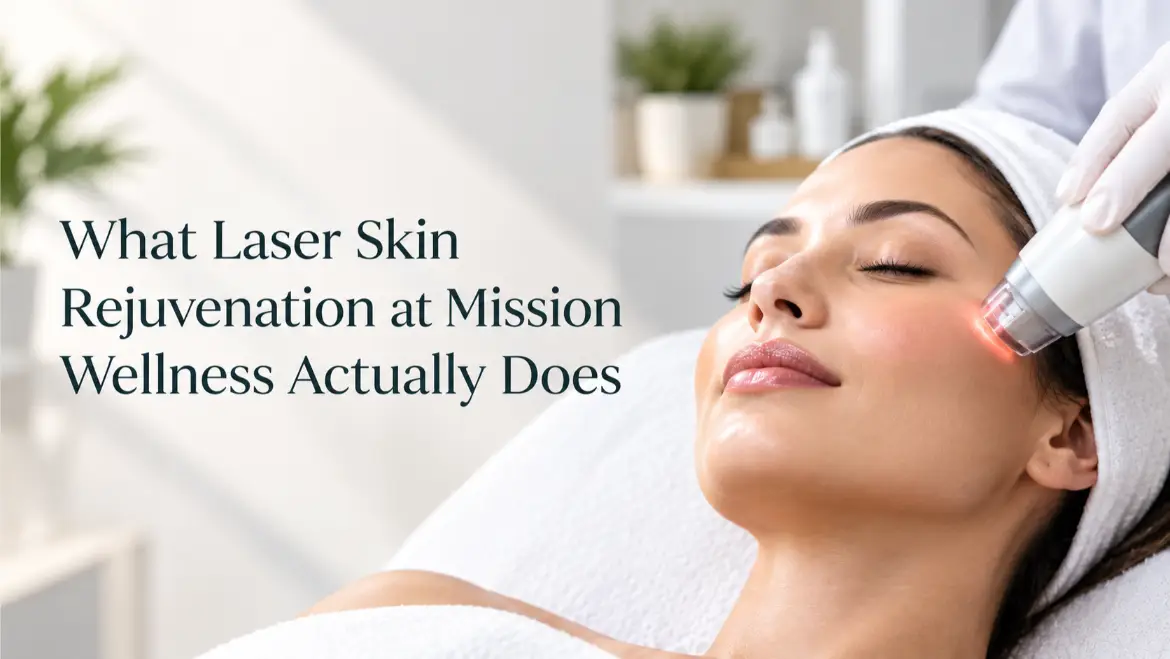
Laser skin rejuvenation at Mission Wellness & Aesthetics falls into the non-ablative category. It works with your skin’s own healing response instead of an intense injury and recovery cycle, giving you a gentler path toward smoother, more even skin.
Honest expectations matter here. This treatment improves overall tone, softens the look of fine lines, and calms the visible effects of sun exposure over time. It doesn’t erase a deep wrinkle carved in by decades of sun and expression. Amanda Baker, PA-C, who leads care at Mission Wellness, builds each treatment plan around your specific skin rather than a one-size-fits-all package, which is exactly why that distinction gets named upfront instead of discovered three sessions in.
How Many Sessions Will You Actually Need
Non-ablative laser rejuvenation rarely works in a single visit. Most people need somewhere between four and six sessions, spaced roughly three to four weeks apart, before the improvement in tone and texture becomes clearly visible.
This surprises people who expect a laser to work the way a chemical peel does, one visit, one obvious change. Non-ablative treatment builds collagen slowly, session by session. Each visit adds a small amount of progress on top of the last one. Skip sessions or space them out too far, and your skin’s collagen production drops back toward baseline before the next treatment picks it back up.
A realistic plan accounts for this from the start. Your provider maps out the full series before you begin, not just the first appointment, so you know exactly what committing to results actually looks like on your calendar.
What Results Can You Realistically Expect
Non-ablative laser treatment improves skin texture, tone, and the surface appearance of fine lines. It does not smooth deep, established wrinkles the way a more aggressive resurfacing treatment can. That distinction sounds small until you’re sitting in a consultation with expectations that don’t match what the technology was built to do.
Sun spots fade and redness calms, while pores generally look tighter too. Fine lines around the eyes and mouth soften enough that people notice a difference in photos, even if you can’t point to the exact day it happened. What you won’t get is a wrinkle carved deep from forty years of sun exposure disappearing. That’s a different laser category entirely, one most people don’t need for the concerns bringing them in.
Patience matters here more than almost anywhere else in aesthetics. Collagen rebuilding is slow biology, not a switch you flip. Most people see meaningful change somewhere around the third or fourth session, with results continuing to improve for weeks after the final one.
Coastal Living Adds Up on Your Skin Over Time
Living near the North Carolina coast means more sun exposure than most people realize, even on cloudy days, even with sunscreen applied most mornings. Salt air, reflected light off the water, and a longer outdoor season all compound the same effect that inland residents get in smaller doses.
That cumulative exposure shows up as exactly the concerns laser rejuvenation addresses. Sun spots. Uneven tone. Fine lines that seem to appear faster than they should for someone’s age. Years of beach weekends and boat trips leave a signature on skin that’s different from someone who spent those same years mostly indoors.
None of this means the coast is bad for you. It means skin here ages on its own timeline, and treatment that accounts for that timeline works better than a generic plan borrowed from somewhere with a shorter sun season.
Laser Resurfacing or Botox, Matching the Tool to the Line
Laser treatment and Botox solve different problems, even though both get mentioned in the same conversation about aging skin. One works on the surface and structure of your skin itself. The other works on the muscle movement underneath it. Knowing which line you’re actually looking at decides which one helps.
Laser Targets Texture and Sun Damage
Fine lines caused by sun damage, collagen loss, and years of skin texture changes respond to laser treatment. This is the category for overall skin quality, uneven tone, and lines that show up regardless of your facial expression.
Laser doesn’t touch the muscles that create expression lines, and it isn’t meant to. It’s working on the skin itself, not the movement beneath it.
Botox Targets Expression Lines
Forehead lines, the lines between your brows, and crow’s feet around your eyes come from repeated muscle movement, not sun damage or collagen loss. Botox and Dysport at Mission Wellness relax those specific muscles, softening the lines that form from decades of smiling, squinting, and raising your eyebrows.
These lines won’t respond to laser treatment the same way, since the problem isn’t in the skin’s surface. It’s in the muscle contracting underneath it.
Which One Do You Actually Need
Most people asking about laser treatment for fine lines actually have a mix of both concerns, some lines from expression, some from sun and texture changes. A consultation sorts out which is which before recommending anything.
| Laser Skin Rejuvenation | Botox | |
| Targets | Texture, tone, sun damage, collagen | Expression lines from muscle movement |
| Best example area | Overall skin quality, sun-damaged skin | Forehead lines, crow’s feet, frown lines |
| Downtime | Little to none | None |
| Can be combined | Yes | Yes |
Combining both is common and often produces a more complete result than either treatment alone, since they’re solving genuinely different problems rather than competing for the same one.
Who Is a Good Candidate for This Treatment
Non-ablative laser rejuvenation works well for a broad range of skin types, but a few factors decide whether it’s the right fit for you specifically. Recent sun exposure, a tan, certain medications, and your skin’s natural pigment level all shape how your provider approaches your treatment plan.
Fresh sun exposure is the most common reason a session gets postponed rather than skipped. Treating skin that’s actively tanned or sunburned raises the risk of uneven results, so most providers ask you to stay out of direct sun for a stretch of time before your first appointment. If you’ve got a beach trip planned two weeks before your consultation, mention it early rather than after you’ve already booked.
Certain medications change how skin responds to light-based treatment too. Some acne medications and antibiotics increase sun sensitivity, which matters even more with laser involved. A thorough consultation covers your current medications before anything gets scheduled, not as an afterthought once you’re already in the treatment chair.
Deeper skin tones need a provider who genuinely understands how laser settings shift across the full range of skin colors. The wrong settings on darker skin can cause pigment changes that take months to resolve. This isn’t a reason to avoid treatment. It’s a reason to ask directly during your consultation how your provider adjusts for your specific skin tone, and to expect a real answer, not a vague reassurance.
What Happens During and After Your Session
A typical session runs somewhere between fifteen and thirty minutes, depending on the treatment area, with most people describing the sensation as a warm snap rather than genuine pain. You’ll leave the same day with minimal visible signs that anything happened.
During Your Treatment
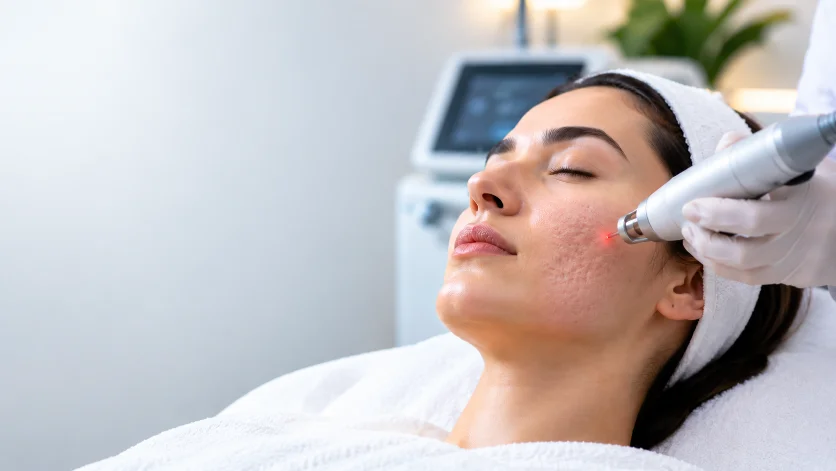
Your provider cleans the treatment area and may apply a cooling gel or numbing cream, depending on your sensitivity and the specific area being treated. The laser device passes over your skin in sections, and you’ll feel brief pulses of warmth as it works. Most people tolerate the full session without needing a break.
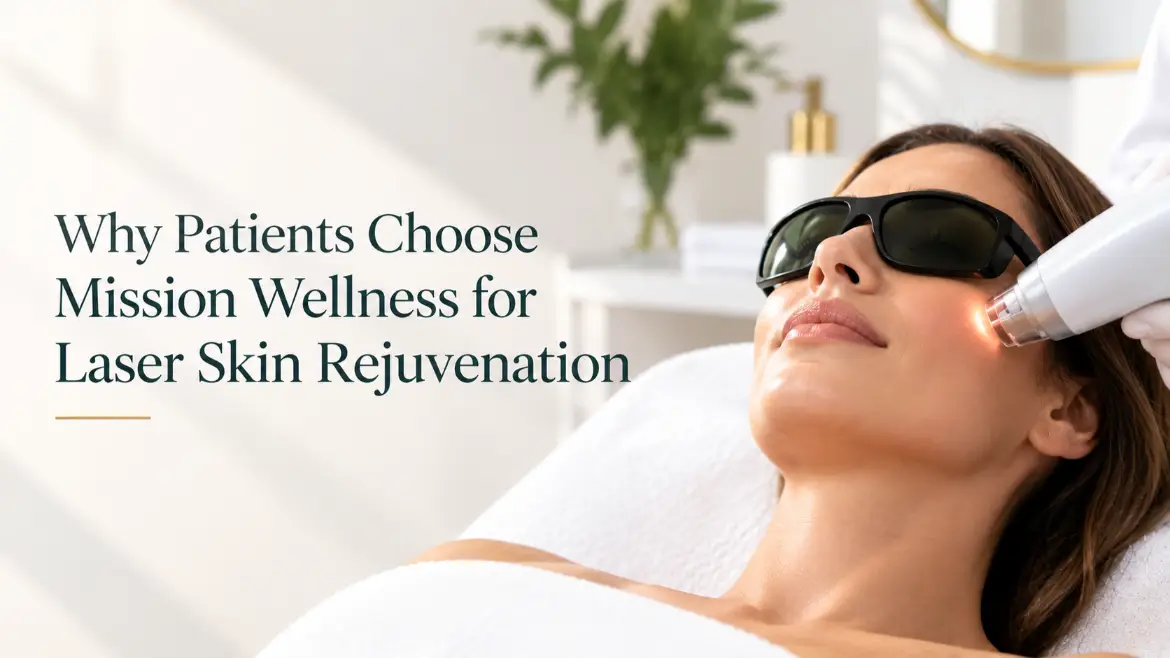
Eye protection is standard for any laser treatment involving the face, since the device emits concentrated light energy that shouldn’t reach your eyes directly. Your provider walks you through what to expect the moment before treatment starts, not after you’re already lying down wondering what’s happening next.
Your Recovery Timeline
Mild redness, similar to a light sunburn, is the most common reaction, and it typically fades within a few hours to a day. Some people notice slight warmth in the treated area for the rest of the day, which settles on its own without any specific aftercare beyond a gentle moisturizer and sunscreen.
You can generally return to normal activities immediately, including makeup application later the same day for most people, though checking with your provider on timing for your specific skin is worth the thirty-second question. If something feels off in the days following treatment, our FAQ page covers what’s normal to expect and when a follow-up call actually makes sense.
Why Patients Choose Mission Wellness for Laser Skin Rejuvenation
Amanda Baker, PA-C, brings close to two decades in medicine and more than ten years specifically in aesthetics to every laser consultation at Mission Wellness. That background shows up in the details, not the marketing copy, in how carefully your skin type and history get reviewed before a single setting gets chosen on the device.
Treatment plans here get built around your actual skin, not a standard package applied the same way to everyone who walks through the door. Someone with fair, sun-sensitive skin and someone with a deeper skin tone leave with genuinely different session plans, different spacing between appointments, and different expectations set from day one. That kind of specificity is exactly what separates a laser treatment that works from one that leaves you disappointed three sessions in.
Our Hampstead location is where laser rejuvenation lives, with a second Mission Wellness office in Jacksonville for other services, so coastal North Carolina residents don’t have far to go either way. Patients travel in from Wilmington, Topsail Beach, and the surrounding communities specifically for this combination of medical expertise and a treatment plan built around them individually rather than a generic protocol.
Your Skin Doesn’t Need to Wait Any Longer
That fine line you keep noticing in the mirror doesn’t mean surgery or nothing at all. Non-ablative laser treatment sits in between. Real improvement in texture and tone, without the recovery time an aggressive procedure would demand.
Mission Wellness & Aesthetics offers personalized laser consultations at our Hampstead location, 17117 Hwy 17, Suite A. Book online or call (910) 821-5055 to find out what’s realistic for your skin.