Quick answer: Botox is a neuromodulator that temporarily relaxes specific facial muscles to soften lines like frown lines, forehead lines, and crow’s feet. Results appear over several days, last a few months, and look most natural when treatment is conservative and placed by a trained provider after a real assessment of your face.
Botox is one of the most common cosmetic treatments in the country, and also one of the most misunderstood. People picture frozen faces and dramatic change, when done well it is the opposite: a rested, softened version of your own face. If you are considering it at our Hampstead clinic, here is a straight explanation of what it does, what to expect, and how to get a natural result.

What Botox actually is
Botox is a purified neuromodulator that temporarily relaxes the specific muscles it is injected into. Many facial lines form because the same muscles crease the skin over and over with everyday expressions, frowning, raising your brows, squinting. By gently relaxing those muscles, Botox softens the lines they create and slows them from deepening. It is a temporary, targeted treatment, which is part of why it is so widely used.
It is worth being clear about what it is not. Botox relaxes muscles that cause dynamic lines. It does not fill in volume loss the way dermal fillers do, and it is not a facelift. Understanding that distinction is the first step to realistic expectations. Dynamic lines are the ones that appear when you make an expression and ease when your face is at rest. Static lines are the ones that stay visible even when your face is relaxed. Botox works best on the dynamic kind and on slowing dynamic lines from becoming static over time. Knowing which type is bothering you helps you and your provider choose the right tool, and it is a big reason the assessment comes first.
What it commonly treats
Botox is most often used in the upper face, though a trained provider uses it in several areas depending on your goals.
Frown lines
The vertical lines between the brows, sometimes called the elevens, are one of the most common areas and often the most satisfying to soften.
Forehead lines
The horizontal lines across the forehead can be relaxed, though this area calls for a careful hand to keep natural movement.
Crow’s feet
The lines that fan out from the corners of the eyes when you smile respond well to treatment.
Other uses
Providers also use neuromodulators for other concerns depending on the assessment. Your provider will discuss what is appropriate for your face and goals during the consultation.
What a treatment feels like
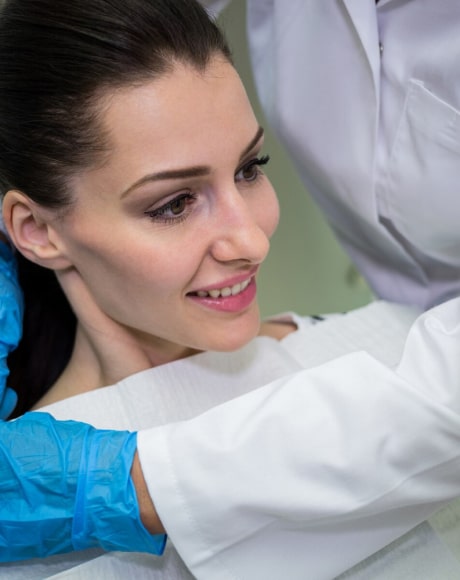
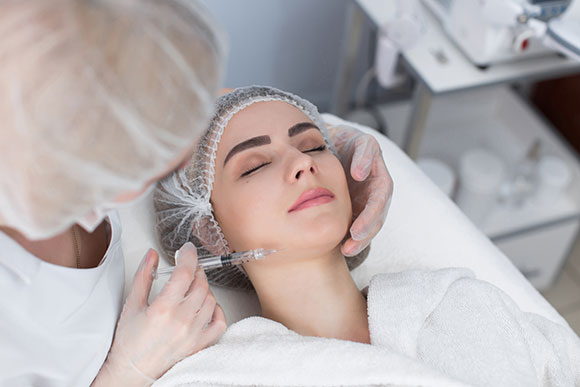
A Botox treatment is quick, often finished in well under half an hour. After discussing your goals and assessing your facial movement, your provider uses a very fine needle to place small amounts of product into the targeted muscles. Most people describe the sensation as a series of tiny pinches. There is little to no downtime, and most people head right back to their day.
You will get simple aftercare, such as staying upright for a few hours, avoiding rubbing the area, and skipping heavy workouts for the rest of the day. Your provider will give you the specifics. These small steps help keep the product where it was placed while it settles, and most people find them easy to work around a normal day. Because there is no meaningful downtime, many people schedule a treatment on a lunch break or before an errand and carry on as usual.
When you will see results and how long they last
Botox does not work instantly, which surprises first-timers. It takes a few days to begin softening the lines and usually reaches its full effect within about two weeks. That is the point to judge the result, not the day after.
Results are temporary. For most people the effect lasts a few months before the muscle activity gradually returns and the lines reappear, at which point you can choose to maintain with another treatment. How long it lasts varies from person to person based on your muscles, the area, and how much product was used. Many people settle into a maintenance rhythm once they see how their own body responds.
How to get a natural result
This is the part that matters most, and it comes down to who is treating you. Natural results come from a conservative approach and precise placement based on how your face actually moves. Too much product, or product in the wrong spot, is what creates the frozen or uneven look people fear. A skilled provider treats the specific muscles causing your lines while preserving natural expression, and often starts conservatively because you can always add a little more, but you cannot take it back once it is placed.
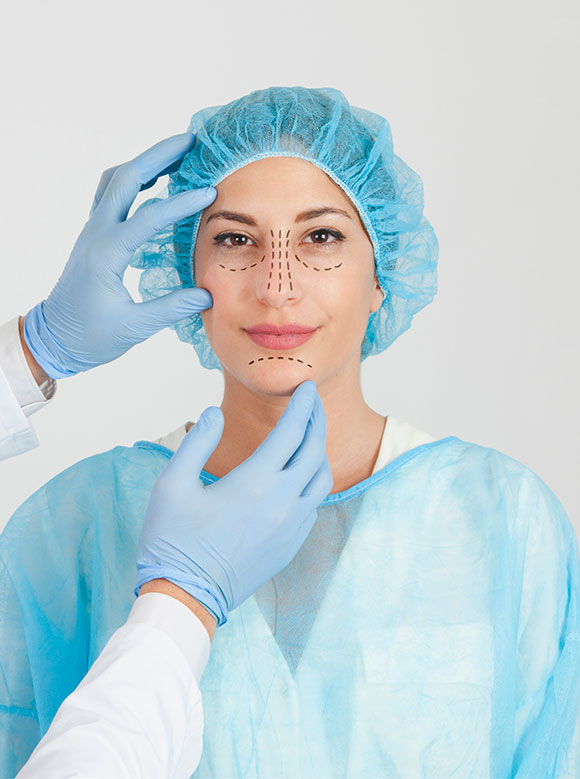
At Mission Wellness & Aesthetics, treatment starts with an honest assessment of your face and your goals, and a provider who will tell you if Botox is the right tool or if something else fits better. Care is led by Amanda Baker, PA-C, with close to two decades of medical experience. That medical foundation matters for a treatment that is, at its core, a medical procedure.
Botox as part of a bigger plan
Botox often works best as one piece of a broader approach rather than a standalone fix. Because it addresses dynamic lines from muscle movement, it pairs naturally with treatments that address other concerns, dermal filler for lost volume, or skin treatments for tone and texture. A thoughtful provider looks at your whole face and your goals and helps you sequence treatments sensibly rather than pushing everything at once. For some people, Botox alone is exactly enough. For others, it is the starting point of a plan that unfolds over time. Either way, the approach should be built around what you actually want to change, at a pace you are comfortable with.

How to choose a provider, and why it matters
Botox is a medical procedure, and who performs it matters as much as the product itself. The best results come from a provider with real training in facial anatomy who treats conservatively and explains their reasoning. When you are choosing where to go, it is fair to ask who will perform the treatment and what their background is, how they approach natural-looking results, and what happens if you have questions afterward. A good clinic welcomes those questions. At Mission Wellness & Aesthetics, treatment is performed by trained providers under medical oversight, and the consultation is a genuine conversation about whether Botox fits your goals, not a hard sell. That foundation is what keeps a simple, common treatment both safe and satisfying.
Is Botox right for you?
Most healthy adults bothered by dynamic lines are candidates, but the consultation is where that gets confirmed. Your provider reviews your health history, looks at how your face moves, and talks through what is realistic. If your main concern is volume loss or deep static lines, they may discuss other options alongside or instead of Botox. The goal is the treatment that actually fits your face, not a default.