Massage therapy for stress and anxiety may ease muscle tension and leave you feeling calmer. Research suggests possible benefits for anxiety in some settings, but massage shouldn’t replace care for an anxiety disorder.
Maybe you finally have a moment to yourself, yet you’re still clenching your jaw or thinking about tomorrow’s responsibilities. When a break isn’t enough, it’s natural to wonder how much a massage can actually help.
Knowing what a session can realistically offer helps you set fair expectations. Below, we cover how stress tightens your muscles, how touch affects your nervous system, and what research shows about relief.
How Stress and Anxiety Can Keep Your Body Tense
Stress can show up physically before you notice how worried or overwhelmed you feel. Understanding that response helps explain why massage might have a place in managing everyday stress.
Why Do Your Muscles Stay Tight?
When you face a stressful situation, your body prepares to respond. Your muscles tighten, your breathing may speed up, and you become more alert. Once the situation passes, your body usually begins to settle. With ongoing stress, your muscles may stay tense for longer. You might notice yourself:
- Holding your shoulders up while answering emails.
- Clenching your jaw during a difficult conversation.
- Keeping your neck stiff while concentrating on a deadline.
The American Psychological Association explains that prolonged stress can keep muscles tense and contribute to discomfort. That doesn’t mean every tight muscle comes from stress. Long hours in one position, physical activity, and injuries can also play a part. Several causes may be present at once.
How Physical Discomfort Can Make It Harder to Settle Down
Imagine trying to enjoy a quiet evening while your neck aches. You keep changing positions, and the discomfort keeps drawing your attention back to your body. Even with fewer demands around you, resting may still feel difficult.
Massage for muscle tension may ease that physical discomfort. It won’t lighten a demanding workload or settle a family concern. Still, it may help you feel more physically at ease while you manage those pressures.
The Connection Between Touch and Your Nervous System
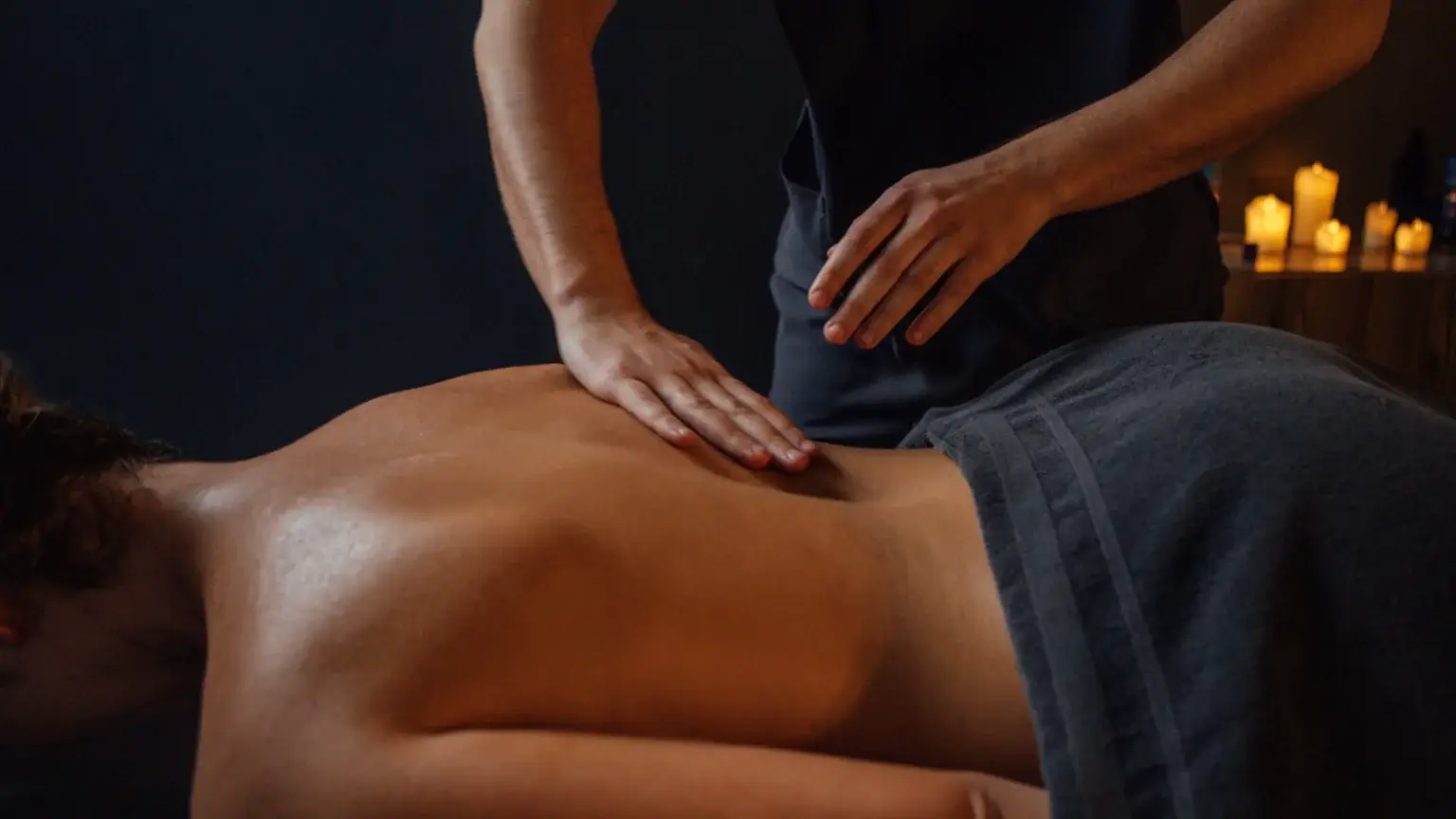
Massage involves more than working on a tight area. Your nervous system also responds to contact, pressure, and movement. Researchers are studying how those responses may contribute to relaxation.
How Does Your Body Respond to Touch and Pressure?
Sensory nerve endings detect touch and pressure and send information toward your brain. That information helps you recognize where you’re being touched and how the contact feels.
During massage, the therapist’s movements provide a changing pattern of these signals. Researchers have proposed that stimulating pressure-sensitive nerve endings may influence the parts of the nervous system involved in relaxation. This may explain some of massage’s effects, but not everything about why you feel better afterward.
Pressure is only one part of the experience. The setting and your feelings about being touched also matter. A movement that feels pleasant to one person may feel uncomfortable to another.
How Massage May Help Your Body Settle Down
Your nervous system manages many functions without conscious effort, including your heartbeat and digestion. Two branches help your body respond to different demands:
- The sympathetic nervous system helps prepare you for action during stress.
- The parasympathetic nervous system supports functions associated with rest and recovery.
Small laboratory studies have found changes during massage that are consistent with increased parasympathetic activity. These findings offer a possible explanation for relaxation. They don’t mean massage can switch off your stress response or guarantee anxiety relief.
The appointment itself may contribute, too. It offers time away from tasks, a place to rest, and someone paying attention to your comfort. These factors can be difficult to separate from the effects of massage movements.
Why Comfort and Control Matter
Touch isn’t automatically soothing. Some people enjoy steady pressure; others feel uneasy about unfamiliar contact or having someone work near a sensitive area. Your comfort may depend on:
- Pressure: Whether the touch feels pleasant or too intense.
- Predictability: Whether you know where and how you’ll be touched.
- Boundaries: Whether areas you want avoided are respected.
- Choice: Whether you feel comfortable asking for a change or a pause.
For example, shoulder massage may feel pleasant, while an unexpected movement toward your neck could make you tense. Knowing what will happen next can make the experience more manageable.
You don’t need to tolerate painful pressure or unwanted touch to make a session worthwhile. Your preferences help shape the session, and you can ask for changes as it continues.
How Much Relief Can Massage Provide? What Research Shows
A review of 37 studies found that a single session can lower anxiety felt in the moment, but less is known about how long that relief lasts. The National Center for Complementary and Integrative Health notes that little research has been done on massage for anxiety disorders, and results have been conflicting.
What These Results Mean for You
There isn’t a reliable percentage that tells you how much massage will reduce your anxiety. Keep these three outcomes separate:
- Immediate Relief: Feeling less anxious directly after a session.
- Improvement During a Course: Having lower symptom scores after several weeks of appointments.
- Lasting Benefit: Remaining better after the treatment period has ended.
Evidence for one does not automatically establish the others. Massage can be a reasonable choice as supportive care, but it shouldn’t replace treatment for an anxiety disorder.
Types of Massage to Consider for Stress and Anxiety
The best massage for stress and anxiety depends on what you want from the session. You may want gentle, full-body relaxation, focused attention on a tight area, or the comfort of warmth. Describing that goal helps your therapist suggest an approach that fits.
Swedish Massage
Swedish massage uses flowing strokes and kneading movements, usually across several areas of the body. It can be a reasonable starting point if you’re new to massage and want a session focused on relaxation.
When you book a Swedish massage, say whether you’d like a full-body session or more time on certain areas. You don’t need to know the names of individual techniques. “I’d like a gentle session with some attention to my shoulders” gives the therapist a useful starting point.
Deep Tissue Massage
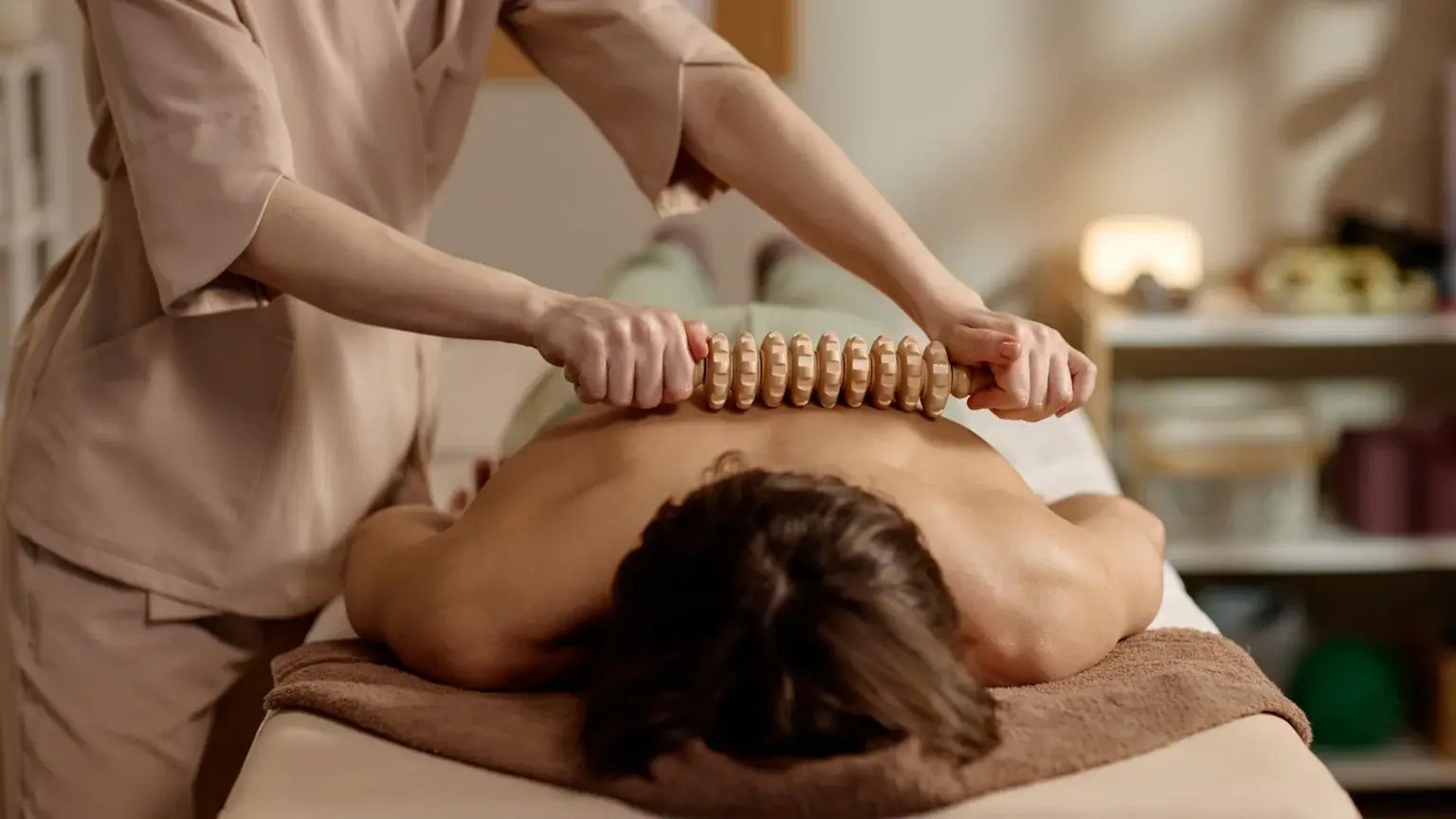
Deep tissue massage uses slower, focused work to address deeper muscles and surrounding tissues. It may be worth discussing when a specific area feels especially tight. A stiff upper back after long hours of sitting is a common example.
The word “deep” doesn’t mean better anxiety relief. This approach serves a different purpose from a broadly relaxing session, and the pressure should suit the person receiving it. Some soreness can occur afterward, but severe pain during treatment is a reason to speak up.
Hot Stone Massage
Hot stone massage adds heated stones to the treatment. A therapist may use them during massage movements or place them on selected areas with appropriate protection between the stones and your skin.
If you enjoy warmth, this may be an option to discuss. However, the temperature needs careful control. Tell the therapist promptly if a stone feels too hot; tolerating heat is not part of getting a better result.
Hot stones are a comfort preference, not a sign that the session will ease anxiety more effectively. Use these questions to compare options before booking:
| Your main goal | An option to discuss | A useful question to ask |
|---|---|---|
| A gentle session to unwind | Swedish massage | “Can we keep the session focused on relaxation?” |
| Attention to a specific tight area | Deep tissue massage | “Would focused work suit this discomfort?” |
| Warmth during the session | Hot stone massage | “Is heat appropriate for me, and can we adjust it?” |
How Often Should You Get a Massage for Stress?
There isn’t one schedule that suits everyone. When deciding how often to get a massage for stress, consider your goals, how you respond, and whether appointments fit comfortably into your life. A research study’s treatment schedule is not automatically the right schedule for you.
Choosing a Schedule That Fits Your Needs
Before committing to repeat appointments, discuss:
- Your goal: Are you looking for an occasional break or help with recurring physical tension?
- Your response: Did the previous session provide enough benefit to make another worthwhile?
- Your budget: Would regular appointments add financial pressure?
- Your availability: Can you attend without rushing or disrupting responsibilities?
Ask about session length, total cost, and what the therapist suggests for your needs. It’s easier to settle these details before booking than afterward.
You can decide about further appointments after seeing how the first session feels. There is no need to select a long-term schedule before you know whether you find massage helpful.
Noticing Whether Sessions Are Helping
Choose one or two things you want to improve and make a brief note afterward. For example, you might record whether your shoulders felt more comfortable that evening and when the tightness returned.
Keep the notes simple:
- What felt different?
- How long did the change last?
- Was there any discomfort afterward?
- Was the benefit worth the time and cost?
Mention other changes, too, such as a lighter workload or better sleep. This helps you judge your experience without assuming that every improvement came from massage.
If repeated appointments aren’t helping with your original goal, discuss that with the therapist before booking more of the same.
How to Make Your Massage Session More Comfortable
For your first massage appointment, you don’t need a detailed plan. A few clear requests help the therapist understand what you need. That’s especially useful if you feel nervous or aren’t sure how to describe your preferences.
Before the appointment:
- Ask what the session includes and how much time to allow for check-in.
- Explain your main goal in everyday words: “I want time to unwind” or “I’d like attention to my upper back.”
- Complete the health-history form and mention anything that may affect positioning or treatment.
Once you’re on the table:
- Ask for a pillow or another position if lying face down feels awkward.
- Request quieter music or less conversation if that helps you settle.
- Breathe normally; you don’t need to perform a special breathing exercise.
- Give specific feedback, such as “Could you use less pressure on that spot?”
When to Speak With a Healthcare Professional
Before booking a massage, check with your healthcare professional if you have a condition that could make pressure or heat unsuitable. Examples include:
- A recent blood clot or heart attack.
- A bleeding disorder or use of blood-thinning medication.
- A broken bone or severe osteoporosis.
- Burns, healing wounds, or areas with reduced sensation.
These concerns may mean avoiding certain areas, changing the treatment, or postponing your appointment. Share relevant medical advice with your massage therapist so they can assess whether the session is appropriate.
Anxiety also deserves attention when it starts affecting everyday life. If worry regularly disrupts your sleep, work, relationships, or ability to leave home, speak with a primary care provider or mental health professional. You don’t need to wait until symptoms become overwhelming.
That conversation can help you understand what support you need. If you already receive anxiety treatment, continue following your care plan and discuss any changes with the professional managing it.
Explore Massage Therapy at Mission Wellness in Hampstead, NC
Massage therapy for stress and anxiety may help you feel more at ease. Whether you’re seeking time to unwind or attention to a tight area, your goals can guide the conversation about which massage to choose.
At Mission Wellness & Aesthetics, Keri, our licensed massage therapist, provides massage at our Hampstead location. Options include Swedish, deep tissue, and hot stone massage. Explore our massage therapy services or contact our team to discuss your preferences and appointment availability.
- Address: 17117 US-17, Suite A, Hampstead, NC 28443
- Phone: (910) 821-5055
- Email: info@missionwellnessnc.com
Call our Hampstead team or book online to schedule a massage with Keri.