The best massage for neck and shoulder tension depends on your symptoms and how much pressure feels comfortable. Maybe your shoulders feel tight after work, or your neck feels stiff by evening. You try stretching and rubbing the sore spots, but the tightness keeps coming back. So, should you choose a gentle massage or something deeper? Let’s look at the different types of massage, how they may help, and which one might suit you best.
Why Do Your Neck and Shoulders Feel Tight So Often?
Your neck holds up your head, and your shoulders help your arms move. Those muscles work even when you’re sitting still. If you stay in one position for hours, you may start to feel stiff. Stress can also make you tense your shoulders without noticing.
Daily Habits That May Play a Part
Think about a normal workday. You might lean toward a screen, look down at your phone, or drive for a long time. You may also lift things at work or repeat the same arm movement. These habits can add to discomfort, especially when you don’t get many chances to move.
Sleep can play a part, too. An awkward position may leave your neck sore in the morning. Still, posture and stress aren’t the cause of every neck problem. Pain can also come from joints, an injury, or an irritated nerve.
What People Mean by a Muscle Knot
You may feel a small, tender spot near the top of your shoulder. People often call this a muscle knot. The trapezius, a broad muscle across your upper back, is one place you may notice it. A sore spot doesn’t tell you exactly what’s causing the pain. That’s why a massage should never be treated as a way to diagnose a neck problem.
Can Massage Really Help Neck and Shoulder Tension?
Yes, massage may help your neck and shoulders feel less tight and sore. It can help you relax, and some people find it easier to move their neck afterward. But the relief may not last long, and massage won’t fix every cause of neck pain. If the tension keeps coming back or you don’t know what’s causing it, talk to a healthcare professional.

Which Types of Massage Are Worth Considering?
Massage styles aren’t all the same. Some use long, gentle strokes. Others work more closely on tight or tender spots. Knowing the difference can help you choose what feels comfortable.
Swedish Massage: A Gentler Starting Point
If stress has left your shoulders tight, Swedish massage may be a good option when you want to relax without too much force. It uses long, smooth strokes and gentle to medium pressure to help your muscles feel more relaxed. It may also suit someone getting their first massage. You can ask the therapist to use lighter pressure if needed.
Deep Tissue Massage
When your upper back stays tight even after you’ve tried to relax, deep tissue massage is one option to ask about. It uses slow movements and firmer pressure to work on tight muscles. The therapist may spend more time on areas that bother you, such as your shoulders or upper back.
But deep tissue massage for neck pain isn’t right for everyone. This firmer approach can feel uncomfortable, especially around an already sore area. Some people may also feel mild soreness afterward. If you’re unsure about deep tissue massage, ask what the session involves before booking.
Trigger Point Massage for Tender Muscle Knots
Have you ever noticed a small, sore spot near your shoulder that hurts when you press it? Trigger point work uses focused pressure on these tender areas. Instead of working across your whole back, the therapist may spend more time on one troublesome spot.
It isn’t a guaranteed way to remove a knot. Some pain can spread from another area, and a tender spot may have different causes. Tell the therapist if working on that spot sends pain down your arm or causes tingling. Those symptoms need medical advice.
Myofascial Release: Gentle Work Around Muscles
If a firm massage sounds uncomfortable, myofascial release is one gentler approach some therapists use. Your muscles are covered by a thin layer of tissue called fascia. This massage method works on the muscles and the tissue around them. Some therapists use slow, gentle movements instead of firm strokes.
This approach may feel more comfortable if you prefer a lighter touch. However, the pressure and techniques can vary. It may help with discomfort. But research hasn’t shown that it works better than other massage methods for long-term neck pain.
What Does Therapeutic Massage Mean?
Therapeutic massage focuses on a specific concern, such as tight shoulders or a sore upper back. It isn’t one type of massage. A therapist may use different techniques based on your needs, comfort, and their training.
Because the techniques vary, it’s worth asking what a therapeutic session includes before you book.
How Do You Choose the Best Massage for Neck and Shoulder Tension?
Start with what bothers you most. Is your whole upper back tense after sitting all day? Or is there one tender spot you keep rubbing? Or maybe you simply prefer a lighter touch. Those details can help guide a conversation before you book.
| What you’re noticing | Approach to consider | What to remember |
|---|---|---|
| General tightness and a need to relax | Swedish massage | Gentler pressure may feel better. |
| One tender spot near your shoulder | Trigger point work | A sore spot isn’t a diagnosis. |
| You prefer a gentler approach | Gentle massage or myofascial techniques | Ask how the session will feel. |
| Tightness that stays even after you relax, and you like firm pressure | Deep tissue massage | Mild soreness afterward is possible. |
| New weakness, numbness, or pain after an injury | Medical care first | Massage may not be right yet. |
You don’t have to choose a massage type on your own. Tell the therapist where you feel tight and what kind of pressure you prefer. Ask which methods are available and how they differ. This can help you choose a massage that fits your needs.
Does a Massage Need to Hurt to Work?
No, a massage doesn’t need to hurt to be helpful. You may feel some pressure or mild tenderness, but it shouldn’t cause sharp pain. If something feels uncomfortable, tell your therapist right away. You can ask the therapist to ease up or take a break.
What Happens During a Neck and Shoulder Massage?
Knowing what to expect can make the first visit feel less uncertain. The exact steps depend on the provider and the session you choose. Here are some common things to discuss.
Before the Session
Tell the therapist where you feel tight and when it started. Mention headaches, arm pain, tingling, old injuries, or health conditions that may affect massage safety. Also mention any medicines that make you bleed or bruise easily, such as blood thinners. If scents or skin products bother you, ask what oils or lotions may be used.
You can also explain what you hope to get from the session. Want to relax? Prefer less attention around a painful spot? The more you share, the easier it is to plan a session that suits you.
During the Session
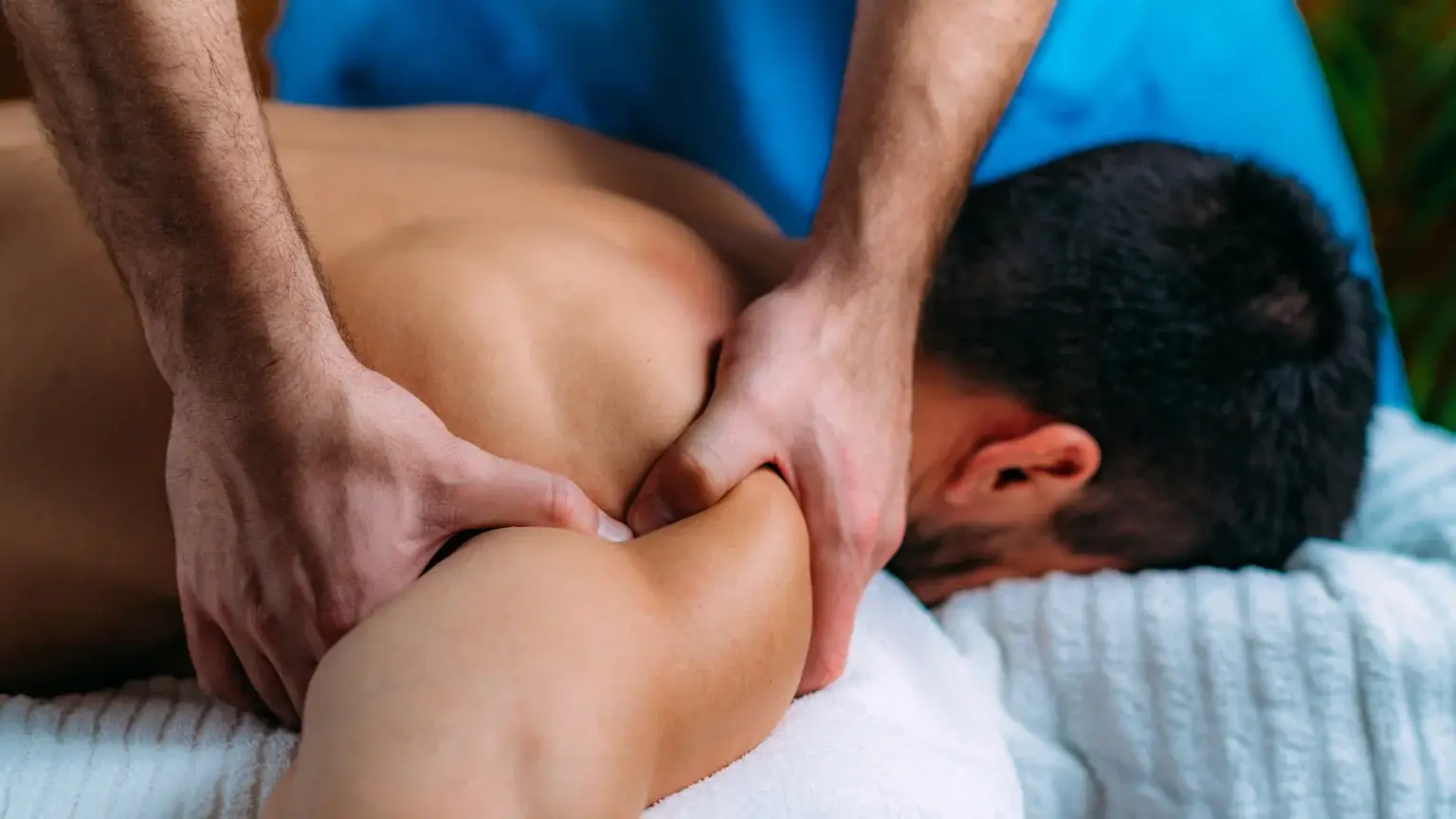
The therapist may work on your neck, shoulders, and upper back, depending on the service. Tell the therapist which areas feel comfortable to touch. Ask questions if a technique feels unfamiliar. You can request less pressure or ask them to avoid an area.
You should feel free to stop the session if something doesn’t feel right. Being quiet about pain doesn’t make a treatment more effective.
After the Session
You might feel relaxed, or an area may feel mildly sore for a short time. Not everyone notices a big change. Feeling better doesn’t always mean the cause of your tension is gone. If you feel much worse, notice new symptoms, or have more than mild soreness, contact a healthcare professional. Don’t try to push through severe pain with another session.
Why Does Neck Tension Return After a Massage?
Do your neck and shoulders feel better after a massage but tighten up again the next day? This can happen because the things causing your tension may still be there. Long hours at a desk, heavy lifting, or daily stress can bring the discomfort back. Sometimes, the pain may also come from a joint or nerve problem that massage can’t fix.
How often should you get a massage? There’s no set schedule that works for everyone. It depends on your needs and how your body responds. If the tightness keeps returning or starts affecting your daily life, talk to a healthcare professional. They can help you find the cause and decide whether physical therapy or another treatment may help.
What Can You Do Between Massage Appointments?
You don’t need a full new routine to start caring for your neck and shoulders. Small changes may be worth trying. Choose movements that feel comfortable, and stop if they bring on new pain.
Make Workdays Easier on Your Neck
Change your position now and then. Stand up and walk for a moment when you can. Move your phone closer to eye level instead of looking down for long periods. Adjust your screen and chair so you don’t have to lean forward all the time.
You don’t have to hold one perfect posture all day. Changing positions and moving regularly may matter more than sitting stiffly in the same pose.
Try Gentle Movement, Not Force
You might slowly turn your head from side to side within a comfortable range. Easy shoulder rolls or a short walk may also feel good. Don’t pull hard on your neck or press a massage tool into the front or side of it. If you’re unsure which exercises suit you, ask a healthcare professional. A physical therapist can help when pain keeps getting in the way.

When Should You See a Doctor Instead of Booking a Massage?
A little neck stiffness after a long day is usually nothing serious. But sometimes, neck and shoulder pain can be a sign of another health problem. It’s important to know when massage may not be the right choice.
Get urgent medical help if you have severe neck pain after an accident, sudden weakness, or trouble walking. A stiff neck with fever or a sudden, severe headache also needs urgent care. If pain spreads down your arm or comes with numbness or tingling, see a healthcare professional.
Massage may also be unsafe if you have weak bones, a bleeding disorder, or recent surgery. Taking blood thinners can increase the risk of bruising. If you have any of these conditions, check with your healthcare professional before booking a massage.
Massage Therapy at Mission Wellness & Aesthetics in Hampstead, NC
Still unsure which massage might be right for your tight neck and shoulders? Mission Wellness & Aesthetics offers massage therapy in Hampstead, NC, with Keri, our massage therapist. You can ask about the massage options available and find out which approach may suit your needs and comfort level.
Ready to ask about a massage appointment? You can visit Mission Wellness & Aesthetics at 17117 US-17, Suite A, Hampstead, NC 28443. Call (910) 821-5055 or email info@missionwellnessnc.com for details.
Final Thoughts: Choose a Massage That Feels Right
Living with tight shoulders or a stiff neck every day can be frustrating. Massage may help you feel more comfortable, but the right approach depends on your needs. Think about what bothers you most and what kind of pressure you prefer. If you’re unsure, talk to a massage therapist about the available options. And if the pain keeps coming back, don’t ignore it. A healthcare professional can help you understand what may be causing it.